Creating A Safe Nursery: A Pediatrician’s Guide for Expecting Parents
September 9, 2025
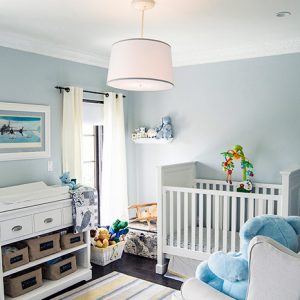
Bringing your baby home is one of the most exciting milestones of parenthood. Expecting moms spend months dreaming about the perfect nursery — the paint colors, the tiny clothes, and the cozy rocking chair where you’ll share late-night cuddles. But as a pediatrician, I always remind families: the most important part of designing your nursery isn’t how it looks — it’s how safe it is.
Here’s my step-by-step guide to creating a nursery that’s not only beautiful, but also protects your baby during those critical first years.
1. The Crib: Where Safety Starts
Your baby will spend more time in the crib than anywhere else, so this is where to focus first.
✅ Choose a new crib that meets current U.S. Consumer Product Safety Commission (CPSC) standards. (Drop-side cribs are no longer considered safe.)
✅ Use a firm, flat mattress that fits snugly inside with no gaps.
✅ Cover the mattress with only a fitted crib sheet — no bumpers, pillows, blankets, stuffed animals, or sleep positioners.
✅ Always place your baby on their back to sleep for naps and bedtime.
Remember: “Bare is best.” A safe sleep space should look simple, not styled.
2. Sleep Environment: Keep It Cool & Clear
Overheating and clutter can increase risks.
• Keep the nursery at a comfortable temperature (68–72°F).
• Use a wearable sleep sack instead of blankets.
• Avoid hanging cords (from blinds, monitors, or decorations) near the crib
3. Furniture & Storage: Anchor Everything
Babies grow into curious toddlers fast. Before you know it, they’ll be pulling up and climbing.
• Anchor all furniture — dressers, bookshelves, changing tables — securely to the wall to prevent tipping.
• Keep heavy or breakable items out of reach.
• Use soft-close drawer locks and outlet covers once your baby starts crawling.
4. Changing Area: Safety on the Move
• Always keep one hand on your baby when they’re on the changing table.
• Store diaper creams, wipes, and medicines out of reach or in locked drawers.
• Keep supplies stocked so you’re never tempted to step away mid-change.
5. Air Quality & Safety Monitors
• Place the crib away from windows, heaters, and radiators.
• Avoid strong scents, candles, or essential oil diffusers, which can irritate babies’ lungs.
• A smoke detector and carbon monoxide detector should be installed outside every sleeping area.
6. Extras Parents Ask Me About
• Video monitors are helpful, but position cords safely out of reach.
• Mobiles are fine for visual stimulation, but remove them once your baby can push up on hands and knees.
• White noise machines can be soothing — just keep them across the room at a low volume.
Final Thoughts from a Pediatrician
Designing your nursery is one of the joys of pregnancy, but the real peace of mind comes from knowing your baby’s room is safe. Start with a crib that meets guidelines, keep sleep spaces bare, anchor furniture, and be mindful of cords and clutter.
The goal is simple: create a space where your baby can grow, rest, and thrive — and where you can relax, knowing safety comes first.
Congratulations, mama — you’re building more than a nursery, you’re building a safe haven.
Dr. katie