The Truth About Teething: A Parents Guide!
September 9, 2025
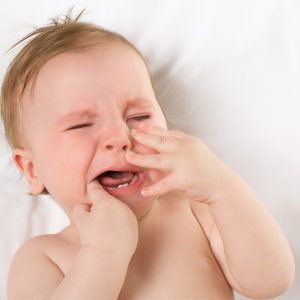
You’ve read all the books, perfected the bedtime routine, and finally have your baby sleeping through the night. Then—just like that—they’re waking up irritable and crying again. For many families, teething is the culprit. While some babies breeze through teething with little disruption, others experience restless nights, irritability, drooling, and sore gums.
Teething can be stressful for both parents and babies, and I continue to get so many questions on how to ease the discomfort. Let’s tackle the most common ones together, with the latest guidance.
⸻
How do I know if my baby is teething or sick?
Classic teething signs include:
• Biting or gnawing on hands or toys
• Drooling
• Irritability and fussiness
• Nighttime awakenings
Some parents also notice runny noses, looser stools, or mild temperature increases, though these are not officially recognized symptoms of teething by the American Academy of Pediatrics (AAP).
Important: If your child has a temperature over 100.7°F, is unusually lethargic, or symptoms persist beyond a few days, call your pediatrician. It’s always better to rule out illness rather than assume it’s teething.
⸻
Do amber teething necklaces help?
Amber teething necklaces remain popular in parenting groups, but there’s still no scientific evidence that they reduce pain or inflammation. More importantly, they pose serious choking and strangulation risks. The AAP strongly advises against jewelry of any kind on infants.
➡️ My advice: skip the beads altogether. Safer, effective teething tools are available.
⸻
Are homeopathic teething tablets safe?
No. The FDA has recalled and warned against homeopathic teething tablets, many of which contained belladonna or benzocaine. These substances can cause dangerous side effects including breathing problems, seizures, muscle weakness, and excessive sleepiness.
➡️ Always avoid teething gels or tablets marketed with numbing ingredients. They are unsafe for babies.
⸻
What actually helps soothe teething pain?
I use the three P’s when guiding families through teething:
1. Pressure + Cold
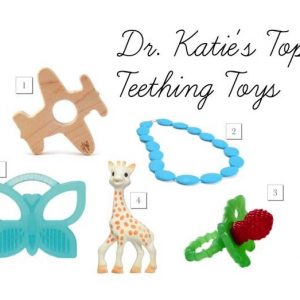
• Offer firm, solid teethers (avoid gel-filled ones that can break).
• Chill—not freeze—them for added relief.
• Examples: Dr. Brown’s Flexees Ergonomic Teether or similar designs made by pediatric dentists to reach all gum areas.
2. Pain Control
• If comfort measures aren’t enough, talk to your pediatrician about appropriate pain relievers like infant Tylenol or Motrin (depending on age).
• Never give medicine without confirming the correct dose for your baby’s weight and age.
3. Patience
• Teething comes in waves and eventually passes. Sleepless nights feel long, but this phase doesn’t last forever.
⸻
My 8-month-old doesn’t have teeth yet—should I worry?
Not at all! Most babies get their first tooth around 6 months, but the normal range is wide—anywhere from 4 to 12 months. If your baby has no teeth by 12 months, schedule a check-in with your pediatrician just to be sure everything is on track.
⸻
Final Thoughts
Teething is one of those universal parenting challenges—messy, unpredictable, and exhausting at times. But with the right tools, safe comfort measures, and lots of patience, both you and your baby will get through it.